NED: No Electronic Days

The theme in my life goes something like this: The ocean is rich. The forest is wealthy. Boredom is bliss. 

In 2018 I adopted a day called “no electronic days,” coined NED for short. Something I began to reclaim my time and my life, NED is simple: all electronic devices are off for 24 hours. It’s digital fasting.

It’s pure coincidence that N.E.D. is also the name of Ned Ludd, the legend who led the Luddites of the 19th century against technofacism.

“The Luddites challenged the emerging capitalist system—which centered on efficiency, maximal productivity, and ultimately human redundancy—and instead championed other human values of finely-honed craft skill, community, worker solidarity, and a living wage.”

https://origins.osu.edu/article/fourth-industrial-revolution-and-ghosts-ned-ludd

So what motivated NED? Well in 2018, it happened from dissatisfaction with our growing dependency and adherence to all things digital. I was saddened by our deteriorating human connections and community in real physical spaces. So, naturally and obviously I went to grad school to make art. (Also so I could teach :))

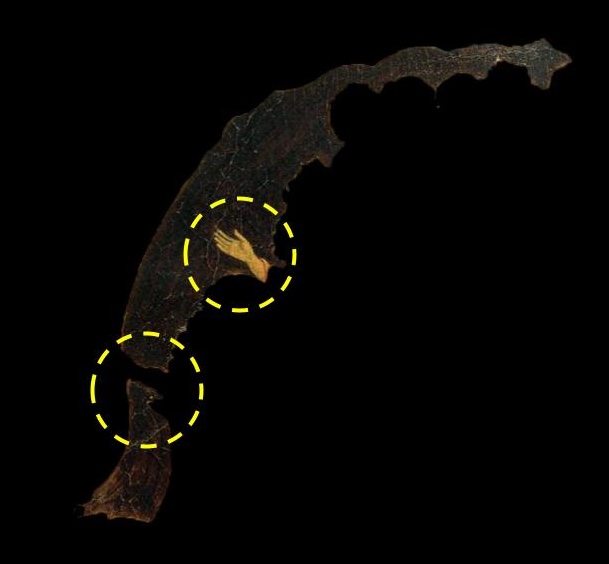
In one of my projects, “AutoSalvation,” I used Photoshop to isolate subjects in medieval paintings. The computer registered contours as blocks of information, resulting in dismembered / disembodied hands.

I performed this experiment with other early middle age paintings, staring at the floating arms and hands for hours. It felt prescient. At the same time, it was ancient knowledge: that the world would be saved or destroyed by the hand of man. I personally don’t believe this myth, but we can see how it prevails today.

More about neo-luddites :

https://www.theguardian.com/technology/2024/feb/17/humanitys-remaining-timeline-it-looks-more-like-five-years-than-50-meet-the-neo-luddites-warning-of-an-ai-apocalypse

https://nickfthilton.medium.com/do-we-have-the-wrong-luddites-fb412b3f02e4

(https://www.smithsonianmag.com/history/what-the-luddites-really-fought-against-264412/)

Creative Block?? So over it??? Lying there unmotivated???????? 

What makes us human in these ceaselessly trying times is creative making with our hands. Even if you’re not an artist or writer, making activities help us with processing complex human experiences, feelings, and thoughts.

You’ve heard or directly experienced artists and writers’ block. The need for inspiration or spark. It seems like you are either hit with inspirational fuel and work in a frenzy. Or, you try everything under the sun to tap into creative energy, but to no avail. 

Why do we go from zero to full throttle? Unless you thrive on the extremes of burn out and restoration, a balanced approach is the way to go. 

I’ve said it before and I’ll say it forever, grounding activities connecting us to our environment have short, long, and forever benefits. It benefits all that is alive. What better way to ground than with our body? Actually, it’s the only way haha!

(For other grounding activities see “Daily practice: walk for the sun 🌄🌅 🚶‍♂️🚶‍♀️”)

But this post isn’t about what to hand make, because that’s been covered in (see: tbc) This post is about grounding with our senses…a trending pop psych topic the last few years. Ground frequently to reaffirm brain routes to sanctuary spaces, or ground to also create new brain routes to interesting spaces.

I forgot, since it’s been a decade, but play as labor was a big topic in the art world. It must have been 2010, 2015, when art therapists and social and political artists were espousing the revolutionary need for play. Not just for children, but for adults as well. Play nurtures curiosity and exploration. It expands our energy into uncharted territories for personal growth. Not an upward or vertical growth, but one of satisfaction, connectedness, and well being. It’s an undirected, non outcome, non goal oriented way of being.

Now what does this all mean? Play, sensing, grounding, creative making, are all good.

SenseThing. Action.drawingWhy it works
hearPurr like a cat. Whistle like a bird. Growl like a dog. Hum a song. Enjoy the vibrations in different parts of your throat, head, chest. Fill your lungs with air, then feel it squeezing out until you’re a husk.
tbc
Nonverbal sounds we emit are ancient ways of expression. Purring/Humming can self soothe. Humming while you work also shuts out the background noise in your head. Cats purr to self soothe, and it’s said that the frequency of their purr accelerates healing. Whistling is just fun, if you can do it. Otherwise have you gutturally growled recently?
smell
Take a loooong sniff of mountain air. If you don’t have mountain handy, try a spice or natural material like cardamom, cinnamon stick, lilac, pinewood, seashell. 

Use the material itself in its natural form. The smells take you to the nonlanguage, irrational part of your brain, where instructions hold no power. It’s where empathic memories, emotions, inspiration reside.
see
Get a rubber duck or other small animal figurine to talk through your thoughts, problems, and feelings.

Programmers talk to their rubber duck to solve problems, and it’s known to work. The same can be applied to anyone for any problem. Your mind gets jogging and before you KNOW it, a candle or lightbulb turns on. When you get trapped into your own thought process, it prevents alternative ways of seeing. Talk to the duck.

touch

Hold rosary or meditation beads in your hands. It can be stone, wood, shell, jade, rose quartz. Move the beads between your fingers one by one. Repeat a single sentence mantra of your choosing. 

These calming meditative states will induce zone out/ second or third consciousness/ different mind zones/ where you can drink from the well of creativity.
Pet a soft soft soft cat or dog, with permission. Procure an alpaca fur object, perhaps a small keychain. 

Indisputably the best.

Play with a desk fidget thingy.

The barrier to entry: 0. Fun: 100%.
COMBO
Play a sound making percussion like a bell, wind chime, rocks, marbles (sound+tactile)

If you’re feeling an inner Beethoven come alive, don’t hesitate to play a wind chime, knock some rocks together, roll some marbles in your palm.
taste
Chew gum. Have a medicinal licorice, fruity lollipop, toffee, hard candy, jelly, etc. Let dark chocolate melt in your mouth. Or crunch crunch on some bones.
Now get back to playing.

Gloomy days can be good days: flipping the tone

I woke up today feeling groggy, probably from another strange dream with shapeshifting friends and roads going nowhere. I cranked my eyes open before the unconscious world could drag me back into a sticky slumber. Leaping from bed to office chair in 5 seconds, I started writing in hopes that my brain would believe and enact a good day ahead.

Having a good day consists of the following:

Good food, good company, feeling good, being good. If half of these are present, I’d be having a good day. If all are present, that’s a great day.

obligatory prescription: for how best to wake up each day:

  1. get substantial exercise the day before;
  2. sleep longer and later than you typically do;
  3. eat a low sugar breakfast rich in complex carbohydrates, with a moderate amount of protein
  4. pay attention to your body’s glucose response after eating.

A) Good food– I know people who eat the same sandwich for lunch and are content. Whatever good food is to you is perfect, as long as its not all unhealthy. Balance is key. For myself, I love some crunchy veggies and fruits. I discovered a satisfying tangy ranch popcorn seasoning when I’m feeling decadent. (The entire bottle is 195 calories which will take a while to get through.)

You can never skimp on the god of foods, protein. I go for the ease and nutrition of boiled eggs, fish, beans, and less frequently, delicious beef stews and pork belly.

My personal favorite meals- juicy street tacos cut with fresh red and green salsas, soothing savory and herbal pho, a big stomach filling bowl of bibimbap made from stir fried wild greens, julienned veggies, earthy mushrooms stirred in gochujang and sesame oil, warm gnocchi made from golden potatoes riced with a slotted spoon and tossed in a pea, sun dried tomato, hot chili oil, butter garlic sauce. Anything chocolate. Frozen treats like chocolate covered frozen bananas rolled in toasted chopped walnuts, peanuts, sea salt. Or a DIY peeled mini mango popsicle. Lots of water. My coffee with a thick cloud of foam. Pickles.

B) Good company – Spending time with people who accept, care, love, challenge you. Hanging out with those with similar interests or values. These will be family, friends, coworkers, classmates, community members, strangers at the gym without whom you will never exchange a word or even a glance, but who are with you in a shared space to focus on the same goal. It can be fellow movie goers, the number of which will not matter. In the dim theatre you are laughing and sniffling together. Good company in good spaces.

C) Feeling Good – Being active (walking, exercising, standing/stretching), giving a big stretch, journaling, reading a page out of book, chatting, listening to music or enjoying the arts. Unscheduled time alone, being without anything that requires attention. Doing the responsible things and doing the carefree things.

And feeling good even though it feels bad at first can be tackled as follows:

According to one internet user:

“Like, I started the workout routine by spending 3 weeks just getting out of bed, putting on my running shoes and workout clothes (not in that order) and just standing outside my door. Spent weeks literally just practicing going outside in the morning, until that stuck as a habit. Then I started by practicing jogging 10meters/yards for a few weeks, and then I progressed from there. Now I run 5-8km each time.”

D) Being Good – Helping others, asking and receiving help from others, expressing gratitude, self reflection. Working on projects and short term or long term plans. Remembering good times, letting go of bad times.

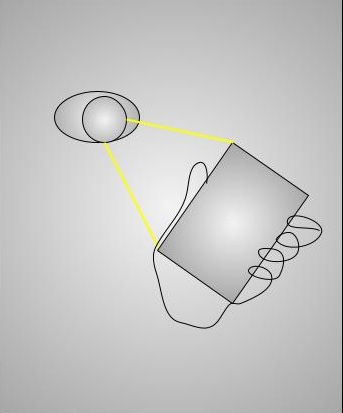
It’s also a healthy practice to limit screen use and passive consumption. Whenever we work on the screen, I’m sure it is now common knowledge to take frequent eye breaks. The American Academy of Ophthalmology recommends the “20-20-20 rule for adults who work on a computer. This rule suggests that individuals look at something 20 feet away for 20 seconds every 20 minutes of the day.”

Daily practice: walk for the sun 🌄🌅 🚶‍♂️🚶‍♀️

” The sun rises. I walk. The sun sets. I walk. “

What does this simple action do? By using the sun as a marker for my day, I form a stronger connection with my own time. I wake up for the sun rise, then later I take a walk to watch the sun set. This is as reliable and constant as the earth’s orbit around the sun.

watching the giant star do a 180 into and out of your life will become the immovable image from which you base the nuisances of life as truly what they are, insignificant.

“Sunrise” and “Sundown” are markers for the start and end of a day, and it’s remarkable to observe this phenomena in person. It’s taken for granted, but this life giving orb is the basis for our entire calendar system, it’s material presence both astronomical and structural. So why not bracket our lives with its observation?

From atop a modest hill, I can see the faint light hugging the east mountains. What banality awaits me today? The thought evaporates as I see the brightening sky. Then I spend a chunk of time attending obligations. I go for my walk towards the west approximately sixty minutes before sunset.

No music. I observe sounds, my body moving footstep by footstep. The crunchy loamy sand, dusty dirt. Is my left shoulder sore? I stretch it out. Try to lose. Loosen and lose attention and stuffiness of structured living.

This activity can be considered a walking meditation or a debriefing of the day. It’s a time for reflection, but because this is not a brainstorming session, I let thoughts dissipate into mist. It’s also not exercise since this is non-goal oriented.

After months of doing this daily practice, managing the stress of life is less complicated. The practice of walking and observing the sun’s relationship in the setting of your life rescales things. If it’s cloudy, rainy, or the weather does not permit this activity, see “what to do in the event you cannot see the sun.” (coming soon) But when it’s possible, watching the giant star do a 180 into and out of your life will become the immovable image from which you base the nuisances of life as truly what they are, insignificant.

Decisions Are Just Bell Peppers

TIP #1: FRUIT OF THE SUMMER

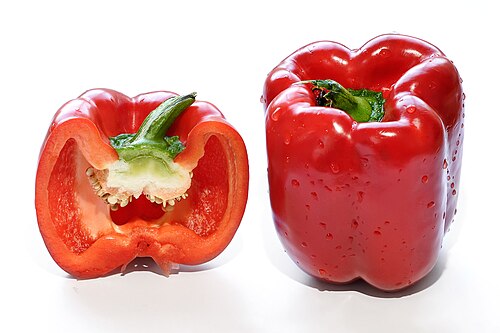
look at all these delicious decisions

Crunchy and refreshing with a mild sweetness. Juicy but not sticky.

Bell peppers are fruits that can be eaten like an apple, whole or slices, and contain vitamin C and other good stuff. It always surprises me how easy they are to eat. They’re an excellent lifestyle fruit for their user friendliness.

It’s suspicious how easy they are to eat. Throw them in a backpack and they’ll be okay. Even if they are crushed, there’s only water residue- no sticky juices like those other fruits.

Maybe you prefer a dip in keeping with the settler’s summer tradition. It would be uncouth to consume a dip alone, unless it’s a light Tzatziki/ cacık dip with crushed coriander. Composed of yogurt, cucumber, lemon juice, garlic, and any herbs- parsley, mint, dill– it’s wow. Munching on my bell peppers and tzaitziki dips, I have been thinking.

Despite my invisible achievements well into my third decade, I’ve navigated uncharted waters and strange crossroads. I suppose if you survive a catastrophe, that could be considered an accomplishment. Survival is not easy, yet little do we celebrate it.

TIP 2: Celebrate decisions >accomplishments > achievements

Achievements get trophies 🏆; accomplishments get checkmarks ✅; decisions get silence 🤫. Powerful decisions disappear into daily life like vegetables in vegetable chowder. You forget about them, but they’re doing all the work keeping you alive.

Decisions are harder to celebrate because they’re internal, sometimes messy and painful, and even transformative (quitting a job, leaving a relationship, starting something new).

The word “decision” comes from the latin “caedere” meaning “cutting the links.” It’s a cutting of ourselves from a “wholeness.” In the case of life, its a cutting into the wholeness of our identity and stability. Whether that’s getting out of a comfortable stagnation or an awful place, we have to slice, dice, and dip out of there ASAP. A life altering decision can suck because of the risk factor. But while there might not be reward, we need these decisions for prevention and immunity.

These “good” decisions that cut the deepest should be actively remembered in order to keep up the positive spirits; they are the silent architects of resilience, sometimes outweighing the glitter of achievements.

a beautiful user friendly decision

NUTRITIONAL BENEFITS OF DECISIONS

  • Vitamin C: One medium-sized red bell pepper provides 169% of the Reference Daily Intake (RDI) for vitamin C, making it one of the richest dietary sources of this essential nutrient.
  • Vitamin B6: Pyridoxine is the most common type of vitamin B6, a family of nutrients important for forming red blood cells.
  • Vitamin K1: A form of vitamin K, also known as phylloquinone, K1 is important for blood clotting and bone health.
  • Potassium: This essential mineral may improveTrusted Source heart health.
  • Folate, also known as vitamin B9, has a variety of functions in the body. Adequate folate intake is very importantTrusted Source during pregnancy.
  • Vitamin E: A powerful antioxidant, vitamin E is essential for healthy nerves and muscles. The best dietary sources of this fat-soluble vitamin include oils, nuts, seeds, and vegetables.
  • Vitamin A: Red bell peppers are high inTrusted Source pro-vitamin A (beta carotene), which your body converts into vitamin A.

Hydrating Tip (boring but essential)💧💧💧

So the thrill of rating bottled waters according to taste, alkalinity, electrolytes, distillation is gone.

This is a negligible task, but that skin is not going to elasticize itself. You need continual water because you sweat, pee, and cry it out.

It’s a project that can be the difference between “always” and “sometimes.”

Excellent Integrated Hydration (EIH) begins at the source might sound like hype, but it’s the holy grail. Whether the water is tap or filtered is up to the One Who Hydrates (OWH), but if you choose distilled, you still have to find an alternate source for electrolytes and minerals.

💧Choosing your container:

There are too many reusable water bottles with impractical designs and laughable capacity. Hydration isn’t 12 ounces while you’re out driving, errand running, working, schooling. (And the bottles with narrow mouths are hard to refill >:/ $*#$&$&*# ). But if there’s one true vessel that you swear by, good.

While stuck at home, I found myself drinking less water once I switched to the Brita water pitcher…Before I was doing fridge filter —> Hydro flask. I wondered why. I like the taste of Brita. I already considered the inconvenience of pitcher refill.

Turns out, that extra step between pitcher and my cup each time was just annoying enough.

Fridge –> Hydro flask (container)–> user [2 steps]

Tap–> Brita pitcher–> cup (container) –> user [3 steps]

Solution 1. Change container to one with larger capacity

In conclusion / learning opportunity? : minute changes to how you daily activities seems negligible but aren’t. Identify issues and solutions to the banal stuff too.

💧In efficient systems, one step makes a huge difference over time.

Now the 💧 you’ve been waiting for. A look at the exhausted choices of containers to use when you’re on the move:

Bladder backpack – camelbak- true to the name, you carry a bag of water wherever you are bothered to go. A straw gives you quick access to that life giving elixir.

Original Nalgene / Nalgene inspired bottle: this one is practical and ideal for a number of reasons. It has a wide mouth easy for refilling, and it holds 1 liter (33.8 ounces) which means less frequent refills. (2 for men, ___ for women.)

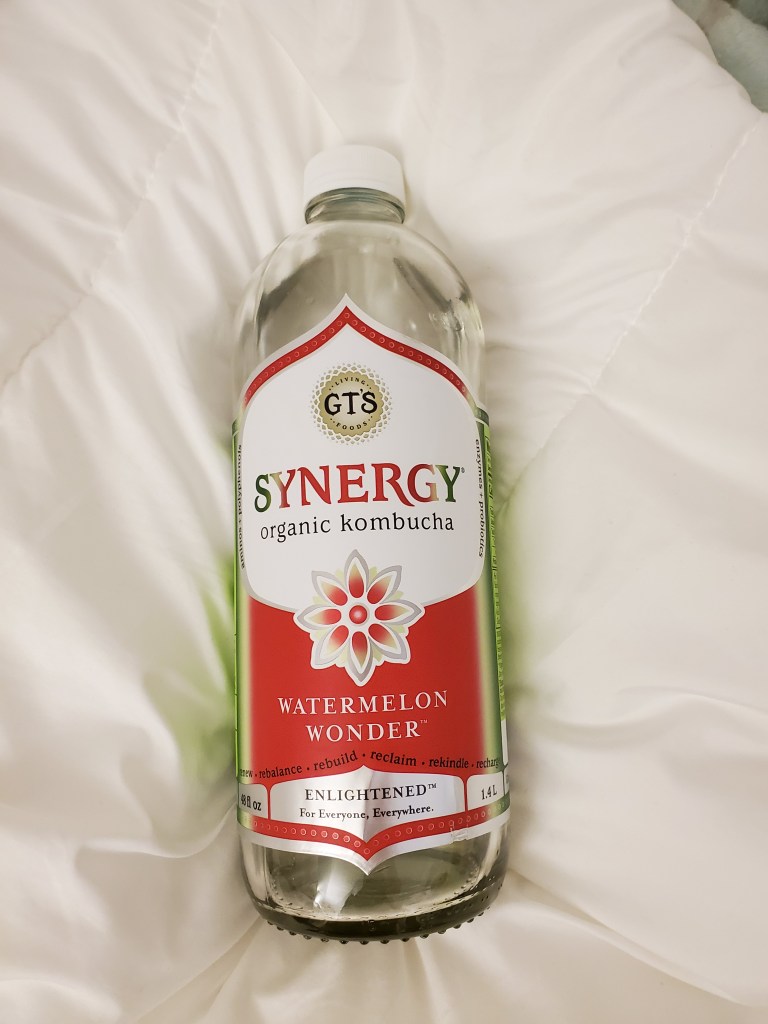
But you hate plastic? While this one has a narrow mouth, it at least has a good capacity at 1.4 liters. When using at home, I use a funnel to fill it.

Good tip: sweat before showers

We brush our teeth twice a day, shower every other day, groom ourselves, and eat with some semblance of regularity. Hygiene and health are part of life — they get done with regularity (otherwise we can get sick.)

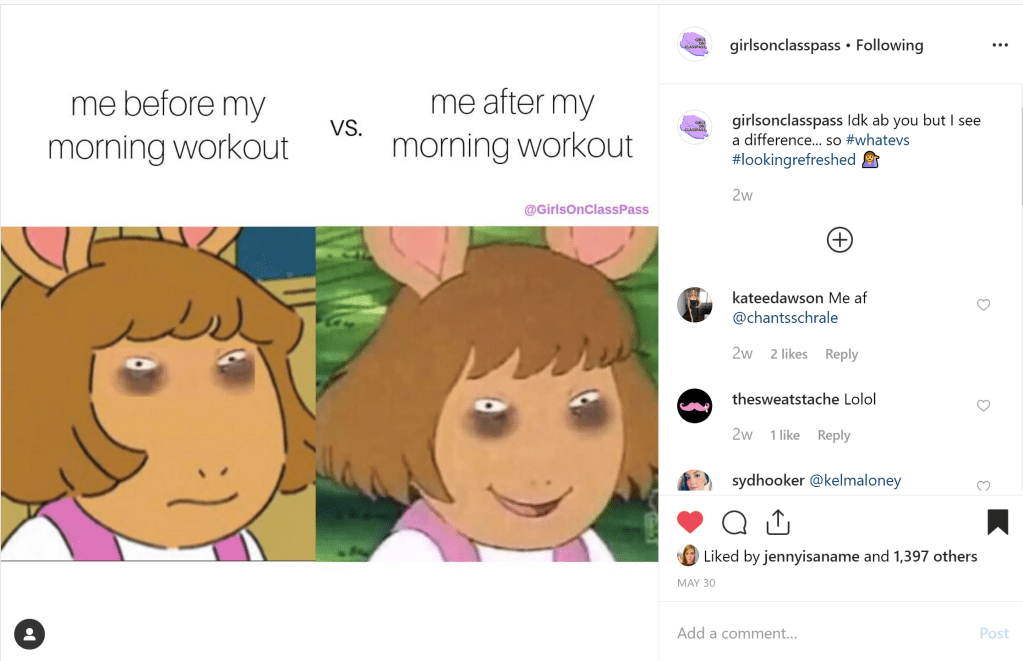
Exercise, on the other hand? Not always so automatic. Even if we know it’s good for us, it might not come naturally. Stick to the same low-stakes, noncompetitive activities — the elliptical, a fitness video, running loops around the block, or a weekly yoga class — and it can start to feel like a chore. Motivation wanes.

Here’s a simple trick: sweat before you shower. Make the act of exercise an unskippable part of clean, refreshed skin. You’ll feel the reward immediately afterward.

If you want to make movement more habitual ritual, try these:

  • Rally with a friend — sanitize a tennis ball or badminton birdie and get competitive.
  • Swim in the ocean — snorkel, explore, wave to marine friends. If you can’t find a calm cove, swim along the wave breaks. Survival instincts kick in and heart rate rises naturally.
  • Hike and immerse yourself in nature — choose a trail with elevation gain (1,000–2,000 feet) or varied terrain: stream crossings, chaparral, alpine meadows, boulder fields, canyons, or desert trails. Diverse landscapes challenge differently and connects you with the environment.
  • Home movement — if you’re stuck indoors, dedicate ten minutes to movement before getting clean. Jumping jacks, push-ups, dancing to a few songs. Spike energy and support immune health.

(This is similar to habit stacking, for example, one can Exercise + Brush Teeth – Do a set of squats or stretches while brushing teeth.)

So next time you’re about to jump in the shower, ask yourself: did I sweat before shower?

Get 17 laughs a day : A-musing on sardonic and humors

a musing on humor

laughter comes from a place deeply human, so they say.

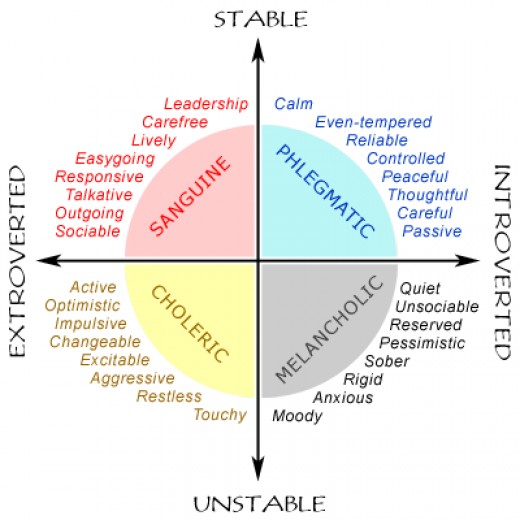
for example, the Ancient Greek and Roman physicians believed the 4 humors- bodily fluid type yuckies- affected human health and disposition. there were only 4 of them: choleric, melancholic, sanguine, phlegmatic–and they were tied to seasons or elements, similar to Indian Ayurveda medicine doṣas, (pañca-bhūta): earth, water, fire, air, (and space).

They typology is as follows:

  • Blood (sanguis) → associated with air, spring, and a cheerful temperament (sanguine).

  • Phlegm (phlegma) → linked to water, winter, and a calm, sluggish temperament (phlegmatic).

  • Yellow bile (choler) → tied to fire, summer, and an irritable, aggressive temperament (choleric).

  • Black bile (melaina chole) → connected with earth, autumn, and a melancholic, depressive temperament (melancholic).

Greek Medicine: GREEK MEDICINE AND CHINESE MEDICINE

But what do the humors have to do with ha-ha humor?

I first became interested in the forms of humor like sarcasm and parody in 90s TV shows and literature, wondering how we humans developed a sense of humor. it’s a very subjective and human / biological activity– like crying or compassion, but I find it more elusive than other emotions. just as diverse as our personalities, what we find funny differs- from farts, Ren and Stimpy, to Mr. Bean and cats.

but do we only laugh because something is ha ha funny? no. 

because after some click-clacking, i found sardonic as a form of humor that comes from the Greek “sardónios, refering to someone curling their lips at danger, laughing in its face. 

from wikipedia: “a sardonic action is one that is ‘disdainfully or skeptically humorous’. a form of wit or humour, being sardonic often involves expressing an uncomfortable truth in a clever and not necessarily malicious way, commonly with a degree of cynicism.[3]”

an uncomfortable truth you say? So one has to be devoid of humor to face a truth but at the same time hold an incredulous expression to convey the inhumanity of it all?

furthermore look at this grim and dark origin of sardonic: “among the very ancient people of sardinia… it was customary to kill old people. while killing their old people, the sardi laughed loudly. this is the origin of notorious sardonic laughter (eugen fehrle, 1930).”

violence is a natural response to structural oppression of many forms. language, cultural, social, political, institutional, but killing our elderly? what could be the reason for this? is it an act of mercy knowing that the end of one’s material existence should be relieved of suffering and indignity? one could not mercy kill without having an incongruent reaction to it, like laughing. this idea is supported by the following:

  • “laughter accompanies the passage from death to life; it creates life and accompanies birth. consequently, laughter… nullifies murder as such, and is an act of piety that transforms death into a new life.”

from the author of dune: “the person who experiences greatness must have a feeling for the myth she is in. And she must have a strong sense of the sardonic. This is what uncouples her from belief in her own pretensions. The sardonic is all that permits her to move within herself. Without this quality, even occasional greatness will destroy a human.”

So the sardonic helps ground people and prevents them from abstraction and inhumanity. laughter is guttural: irrational, physiological, and VERY HUMAN.

Laughter is also social. According to the following source, we might laugh when there is “shared relief at the passing of danger. And since the relaxation that results from a bout of laughter inhibits the biological fight-or-flight response, laughter may indicate trust in one’s companions.” (https://science.howstuffworks.com/life/inside-the-mind/emotions/laughter.htm)

“Provine has also noted that laughter is highly behaviorally contagious…like yawning, contagious laughter is modified by social factors.”

Laughter as catharsis:

There is a link between laughter with better pain tolerance. In an experiment those who induced / forced  laughter had a drop in blood pressure and cortisol levels in comparison to those who did not simulate laughter.

All of this supports the argument that laughter and humor are complicated emotions that can relieve as much as it can reveal what lurks in the dark (in order to relinquish it). 

So ask yourselfif the average adult laughs 17 times a day, are you getting your daily dose of laughter? 

z. Find more opportunities for laughter  surround yourself with funny people or places (see t. grandmas below)
y. Induce or simulate laughter even if nothing is externally funnytrick your brain
x. diversify your humorweird/absurd humor > 20%  
random or joyful laughter > 50% 
sarcastic/self sabotaging < 10%
animals = 100%
w. eat something beyond your spice tolerancecry if you can’t laugh
v. consider being alien, other, or animalif you aren’t already
u. let your own sense of humor driveeven if its bad; especially if its bad
t. hang out with some grandmasthey gave birth to the jokers