Creative Block?? So over it??? Lying there unmotivated???????? 

What makes us human in these ceaselessly trying times is creative making with our hands. Even if you’re not an artist or writer, making activities help us with processing complex human experiences, feelings, and thoughts.

You’ve heard or directly experienced artists and writers’ block. The need for inspiration or spark. It seems like you are either hit with inspirational fuel and work in a frenzy. Or, you try everything under the sun to tap into creative energy, but to no avail. 

Why do we go from zero to full throttle? Unless you thrive on the extremes of burn out and restoration, a balanced approach is the way to go. 

I’ve said it before and I’ll say it forever, grounding activities connecting us to our environment have short, long, and forever benefits. It benefits all that is alive. What better way to ground than with our body? Actually, it’s the only way haha!

(For other grounding activities see “Daily practice: walk for the sun 🌄🌅 🚶‍♂️🚶‍♀️”)

But this post isn’t about what to hand make, because that’s been covered in (see: tbc) This post is about grounding with our senses…a trending pop psych topic the last few years. Ground frequently to reaffirm brain routes to sanctuary spaces, or ground to also create new brain routes to interesting spaces.

I forgot, since it’s been a decade, but play as labor was a big topic in the art world. It must have been 2010, 2015, when art therapists and social and political artists were espousing the revolutionary need for play. Not just for children, but for adults as well. Play nurtures curiosity and exploration. It expands our energy into uncharted territories for personal growth. Not an upward or vertical growth, but one of satisfaction, connectedness, and well being. It’s an undirected, non outcome, non goal oriented way of being.

Now what does this all mean? Play, sensing, grounding, creative making, are all good.

SenseThing. Action.drawingWhy it works
hearPurr like a cat. Whistle like a bird. Growl like a dog. Hum a song. Enjoy the vibrations in different parts of your throat, head, chest. Fill your lungs with air, then feel it squeezing out until you’re a husk.
tbc
Nonverbal sounds we emit are ancient ways of expression. Purring/Humming can self soothe. Humming while you work also shuts out the background noise in your head. Cats purr to self soothe, and it’s said that the frequency of their purr accelerates healing. Whistling is just fun, if you can do it. Otherwise have you gutturally growled recently?
smell
Take a loooong sniff of mountain air. If you don’t have mountain handy, try a spice or natural material like cardamom, cinnamon stick, lilac, pinewood, seashell. 

Use the material itself in its natural form. The smells take you to the nonlanguage, irrational part of your brain, where instructions hold no power. It’s where empathic memories, emotions, inspiration reside.
see
Get a rubber duck or other small animal figurine to talk through your thoughts, problems, and feelings.

Programmers talk to their rubber duck to solve problems, and it’s known to work. The same can be applied to anyone for any problem. Your mind gets jogging and before you KNOW it, a candle or lightbulb turns on. When you get trapped into your own thought process, it prevents alternative ways of seeing. Talk to the duck.

touch

Hold rosary or meditation beads in your hands. It can be stone, wood, shell, jade, rose quartz. Move the beads between your fingers one by one. Repeat a single sentence mantra of your choosing. 

These calming meditative states will induce zone out/ second or third consciousness/ different mind zones/ where you can drink from the well of creativity.
Pet a soft soft soft cat or dog, with permission. Procure an alpaca fur object, perhaps a small keychain. 

Indisputably the best.

Play with a desk fidget thingy.

The barrier to entry: 0. Fun: 100%.
COMBO
Play a sound making percussion like a bell, wind chime, rocks, marbles (sound+tactile)

If you’re feeling an inner Beethoven come alive, don’t hesitate to play a wind chime, knock some rocks together, roll some marbles in your palm.
taste
Chew gum. Have a medicinal licorice, fruity lollipop, toffee, hard candy, jelly, etc. Let dark chocolate melt in your mouth. Or crunch crunch on some bones.
Now get back to playing.

Bulk Creation as a Creative Tool, Not a Trap

Although counterintuitive to creativity, sometimes we need mass output to push ourselves to the next stage.


Have you noticed how something is being sold to us every second of being on the internet? Recipe filled with pop-up ads every 2 seconds, amusing shorts between pseudo-informative videos.
Innocent people broadcast their lives, maybe trying to organically incorporate their sponsor’s products.


We don’t need any of it.


In the crowd of similar personalities there are genuine hobbyists and experts from whom you can actually learn new things. You can tell they are in it for the love, and not for material gratification. 


Some of the people I follow do pottery, farm, sew, and forage wild edibles. Some have a quirky personality or just like to have fun with their viewers—like exercising on a bike machine while painting, making daily cucumber hats to stop suffering, raising rescue opossums as a character (or real?) psychic.

They usually do their thing for years with a small, but loyal, following. They sell some things casually—like paintings, the best fertilizer, a kit. But their existence is not a money-making venture; they don’t care about gaining as many followers and having high paying sponsors. You can tell—the popular entertainment personal brands have similar styles in their presentation, editing, and sounds. 


I used to let my days meander and melt into one another as I experimented– because that’s creativity. Factory like output is for commercial artists. But making doesn’t always have to be sacred. Just because you care deeply about something doesn’t mean you have to manifest that always, immediately, and in every project as proof.


You’ve been told to separate art that you make for you and art that you make for everyone. It is not a betrayal of yourself to create for different audiences. It’s not like it’ll affect your admittance to the pearly gates.


The purpose of this post is that we can learn something from even the popular content creators. I noticed that people will have the same clothes for many videos. They bulk film content in a few days or weeks that they can spread out and publish over the course of months, possibly the whole year.


This has inspired me to try doing this for my work. Writing and painting in mass consolidation. Writing flows best in long dedicated time blocks anyway. Although counterintuitive to creativity, sometimes we need mass output to push ourselves to the next stage.


So for the months that I’m back in my studio, I’m using up my supplies to paint, draw, and film. Painting supplies are abundant, so I’ll do the most simple thing I know how to do– universally humorous animal paintings that I can produce at high output. I’ll edit and post a few videos (to hold myself accountable), scheduling publication as far out as ~2 months. Since the remaining footage can be edited from anywhere (post-production), having all the content already done eliminates the heavy production side.


Then of course there are always days we refuse to do any of it, so reducing friction by reducing steps is good life maintenance.


Gloomy days can be good days: flipping the tone

I woke up today feeling groggy, probably from another strange dream with shapeshifting friends and roads going nowhere. I cranked my eyes open before the unconscious world could drag me back into a sticky slumber. Leaping from bed to office chair in 5 seconds, I started writing in hopes that my brain would believe and enact a good day ahead.

Having a good day consists of the following:

Good food, good company, feeling good, being good. If half of these are present, I’d be having a good day. If all are present, that’s a great day.

obligatory prescription: for how best to wake up each day:

  1. get substantial exercise the day before;
  2. sleep longer and later than you typically do;
  3. eat a low sugar breakfast rich in complex carbohydrates, with a moderate amount of protein
  4. pay attention to your body’s glucose response after eating.

A) Good food– I know people who eat the same sandwich for lunch and are content. Whatever good food is to you is perfect, as long as its not all unhealthy. Balance is key. For myself, I love some crunchy veggies and fruits. I discovered a satisfying tangy ranch popcorn seasoning when I’m feeling decadent. (The entire bottle is 195 calories which will take a while to get through.)

You can never skimp on the god of foods, protein. I go for the ease and nutrition of boiled eggs, fish, beans, and less frequently, delicious beef stews and pork belly.

My personal favorite meals- juicy street tacos cut with fresh red and green salsas, soothing savory and herbal pho, a big stomach filling bowl of bibimbap made from stir fried wild greens, julienned veggies, earthy mushrooms stirred in gochujang and sesame oil, warm gnocchi made from golden potatoes riced with a slotted spoon and tossed in a pea, sun dried tomato, hot chili oil, butter garlic sauce. Anything chocolate. Frozen treats like chocolate covered frozen bananas rolled in toasted chopped walnuts, peanuts, sea salt. Or a DIY peeled mini mango popsicle. Lots of water. My coffee with a thick cloud of foam. Pickles.

B) Good company – Spending time with people who accept, care, love, challenge you. Hanging out with those with similar interests or values. These will be family, friends, coworkers, classmates, community members, strangers at the gym without whom you will never exchange a word or even a glance, but who are with you in a shared space to focus on the same goal. It can be fellow movie goers, the number of which will not matter. In the dim theatre you are laughing and sniffling together. Good company in good spaces.

C) Feeling Good – Being active (walking, exercising, standing/stretching), giving a big stretch, journaling, reading a page out of book, chatting, listening to music or enjoying the arts. Unscheduled time alone, being without anything that requires attention. Doing the responsible things and doing the carefree things.

And feeling good even though it feels bad at first can be tackled as follows:

According to one internet user:

“Like, I started the workout routine by spending 3 weeks just getting out of bed, putting on my running shoes and workout clothes (not in that order) and just standing outside my door. Spent weeks literally just practicing going outside in the morning, until that stuck as a habit. Then I started by practicing jogging 10meters/yards for a few weeks, and then I progressed from there. Now I run 5-8km each time.”

D) Being Good – Helping others, asking and receiving help from others, expressing gratitude, self reflection. Working on projects and short term or long term plans. Remembering good times, letting go of bad times.

It’s also a healthy practice to limit screen use and passive consumption. Whenever we work on the screen, I’m sure it is now common knowledge to take frequent eye breaks. The American Academy of Ophthalmology recommends the “20-20-20 rule for adults who work on a computer. This rule suggests that individuals look at something 20 feet away for 20 seconds every 20 minutes of the day.”

Sparks fly when you sing the song of your people

Sparks fly when you sing the song of your people. They land into hearts- feeding warm flames.

Blaring in the bar is a historically significant song. The one you put on repeat in 8th grade. The stuffy air of gas emitting bodies become electric voices jamming along— some in tune, some in spirit…strangers united by song, even if nothing else.

You might think going to activity related clubs like food, hiking, or reading will open connections. While it’s easy to rule out people with different values or lifestyles, even among dogs, not everyone gets along.

I can never find a good reason to say “no.” This attitude took me on many adventures — like an invitation to a Himalayan pilgrimage. Some of these experiences redefined my life; others are better left in the labyrinth of my memory. Saying “yes” to the world is a golden sun with rays shooting into open horizons. Getting stung by a swarm of judicially angry bees– is diminished by the larger experience of hiking in the giant redwoods. Blisters and skin abrasions aren’t required for adventure, but a bit of smarting pain does leave an impression.

Sharing, or suffering, with like minded people is meaningful because of the communion. To put it in animal terms- we are a pack undergoing the same journey and transformation, multiplying energy.

Some people consider their families their pack. Other soloists live in their career or projects. Some find a lifestyle where they do the things that bring them joy and meaning daily.

For K dog, it was 1. feminism 2. programmer 3. musician

For P dog, it was 1. Chem Professor 2. foodie 3. lifelong learner

For Y dog, it was 1. books 2. biking 3. swimming

Their holy trinity.

Values: freedom, peace, learning, growth, green, blue, egg, fire, water, earth, wind

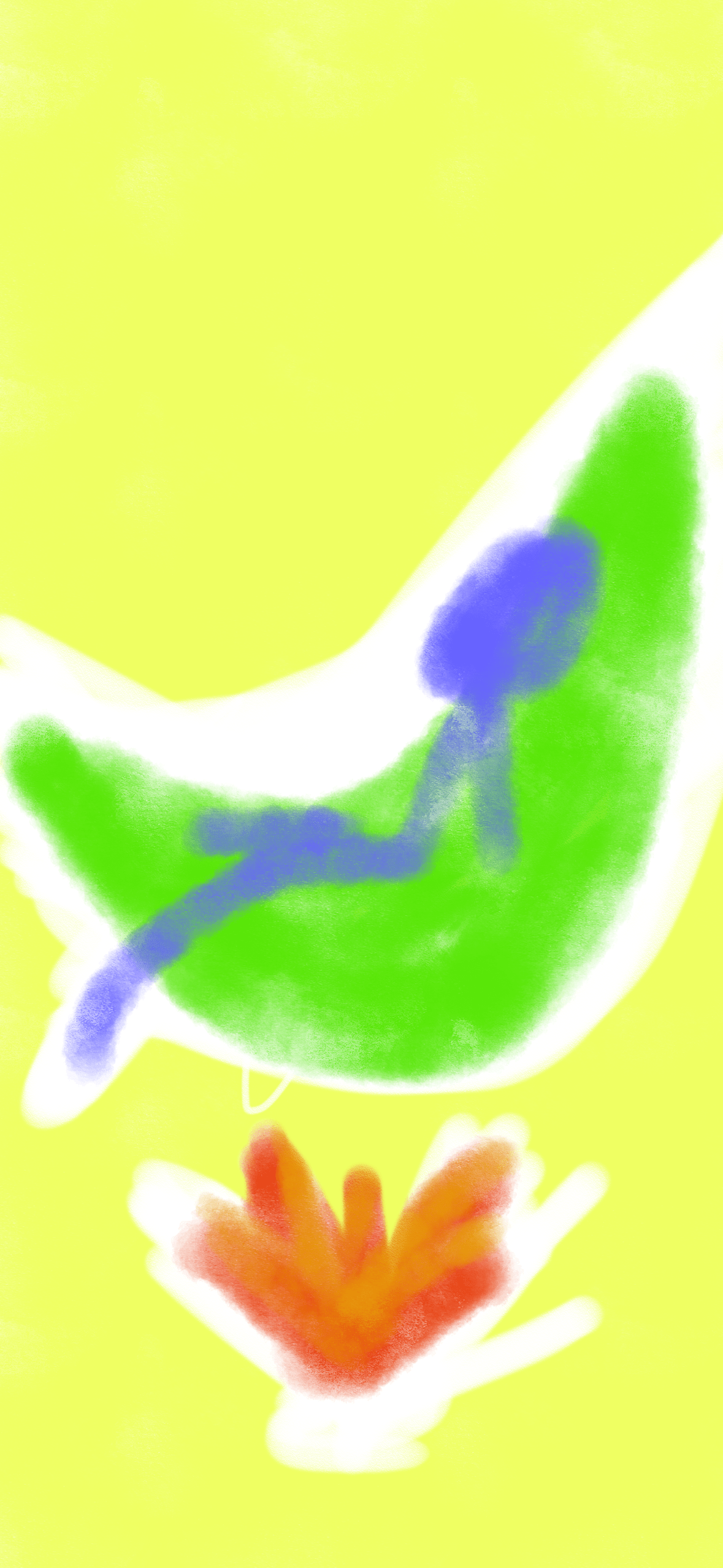
What about for me? I like caring, free spirited learners and doers who get energy from nature and creating. If I free write to find my BIG 3, an image forms.

I like swinging in a hammock by the bonfire.

1. swinging 2. hammock 3. bonfire

I hope the right sparks follow from living in your element. As long as you keep doing what you do, you are singing the song to find your people.

Decisions Are Just Bell Peppers

TIP #1: FRUIT OF THE SUMMER

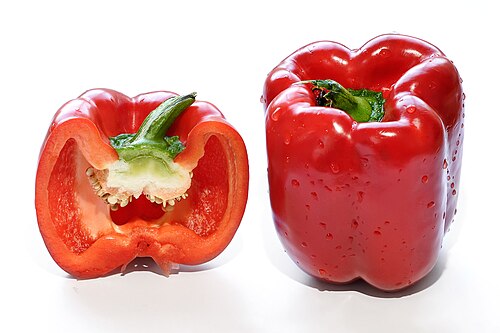
look at all these delicious decisions

Crunchy and refreshing with a mild sweetness. Juicy but not sticky.

Bell peppers are fruits that can be eaten like an apple, whole or slices, and contain vitamin C and other good stuff. It always surprises me how easy they are to eat. They’re an excellent lifestyle fruit for their user friendliness.

It’s suspicious how easy they are to eat. Throw them in a backpack and they’ll be okay. Even if they are crushed, there’s only water residue- no sticky juices like those other fruits.

Maybe you prefer a dip in keeping with the settler’s summer tradition. It would be uncouth to consume a dip alone, unless it’s a light Tzatziki/ cacık dip with crushed coriander. Composed of yogurt, cucumber, lemon juice, garlic, and any herbs- parsley, mint, dill– it’s wow. Munching on my bell peppers and tzaitziki dips, I have been thinking.

Despite my invisible achievements well into my third decade, I’ve navigated uncharted waters and strange crossroads. I suppose if you survive a catastrophe, that could be considered an accomplishment. Survival is not easy, yet little do we celebrate it.

TIP 2: Celebrate decisions >accomplishments > achievements

Achievements get trophies 🏆; accomplishments get checkmarks ✅; decisions get silence 🤫. Powerful decisions disappear into daily life like vegetables in vegetable chowder. You forget about them, but they’re doing all the work keeping you alive.

Decisions are harder to celebrate because they’re internal, sometimes messy and painful, and even transformative (quitting a job, leaving a relationship, starting something new).

The word “decision” comes from the latin “caedere” meaning “cutting the links.” It’s a cutting of ourselves from a “wholeness.” In the case of life, its a cutting into the wholeness of our identity and stability. Whether that’s getting out of a comfortable stagnation or an awful place, we have to slice, dice, and dip out of there ASAP. A life altering decision can suck because of the risk factor. But while there might not be reward, we need these decisions for prevention and immunity.

These “good” decisions that cut the deepest should be actively remembered in order to keep up the positive spirits; they are the silent architects of resilience, sometimes outweighing the glitter of achievements.

a beautiful user friendly decision

NUTRITIONAL BENEFITS OF DECISIONS

  • Vitamin C: One medium-sized red bell pepper provides 169% of the Reference Daily Intake (RDI) for vitamin C, making it one of the richest dietary sources of this essential nutrient.
  • Vitamin B6: Pyridoxine is the most common type of vitamin B6, a family of nutrients important for forming red blood cells.
  • Vitamin K1: A form of vitamin K, also known as phylloquinone, K1 is important for blood clotting and bone health.
  • Potassium: This essential mineral may improveTrusted Source heart health.
  • Folate, also known as vitamin B9, has a variety of functions in the body. Adequate folate intake is very importantTrusted Source during pregnancy.
  • Vitamin E: A powerful antioxidant, vitamin E is essential for healthy nerves and muscles. The best dietary sources of this fat-soluble vitamin include oils, nuts, seeds, and vegetables.
  • Vitamin A: Red bell peppers are high inTrusted Source pro-vitamin A (beta carotene), which your body converts into vitamin A.

Be dumb: how to struggle, learn, and cross apply strategies

People learn because they want to be competent, independent, discover, and challenge themselves. If something is too hard to learn, why do it?

A boulder might kill you to move, but breaking it into tiny rocks won’t. Without knowing it, what we learn starts to connect with things we know, making our life more interesting and dynamic.

I initially began taking programming classes because I wanted to make my own website and I didn’t like the readymade options out there. I struggled in my first class, barely passing. The content was not only difficult, I was also feeling overwhelmed with how little I didn’t know in the field of Computer Science. That experience prepared me for the next class– I was ready to swim in my cold dumb state. Eventually the body warms up and takes you to the other side.

What does walking and learning have in common? The cross application of different continuity or endurance strategies. Then there’s running, which is just one step further than walking. When running, you create a rhythm between your breathing and body, a metronome for the experience. Thoughts have a hard time thriving. When learning gets difficult, intrusive thoughts insert themselves- observations, feelings, and inner monologue. When in deep concentration or focus, we unconsciously hold our breath. The oxygen deprived brain starts to dislike learning the new material. It hates computer science! It hates baking! When that happens I think about walking or running, just focusing on breathing and moving forward.

When I picked up guitar, my eyes would glaze over the music sheets, so I stuck to playing tab music. The extra effort in reading music was tedious. But to expand the repertoire of songs I could play, I began seriously viewing tutorials. Stripping the outcome from the experience, the tedium went away. Fingers and strings made sounds, and that’s all I needed to think about and enjoy.

Watching foreign TV shows is a great opportunity to write down vocabulary and grammar structures from subtitles. But watching the show takes twice, sometimes three times as long. I just want to find out if Suzy gets her revenge. When does learning hijack leisure? I asked myself, isn’t my recreational time sacred? But like going to a museum or touring a landmark, which I never questioned as both educational and recreational, I realized there were more opportunities to be killing two birds with one stone.

Being a novice at something is the start of growth. Not being a novice at anything is a good way to stay stagnant. People who want safety and comfort– what the learning process threatens– might pick up something and quickly lose interest when it gets difficult. So, to avoid this, enjoy feeling and being dumb.

And only a smart person would knowingly put themselves in situations where they would struggle or feel dumb. Continuously? This phase is just until you pass benchmarks of aptitude, then you get to really enjoy the subject that you’re mastering.