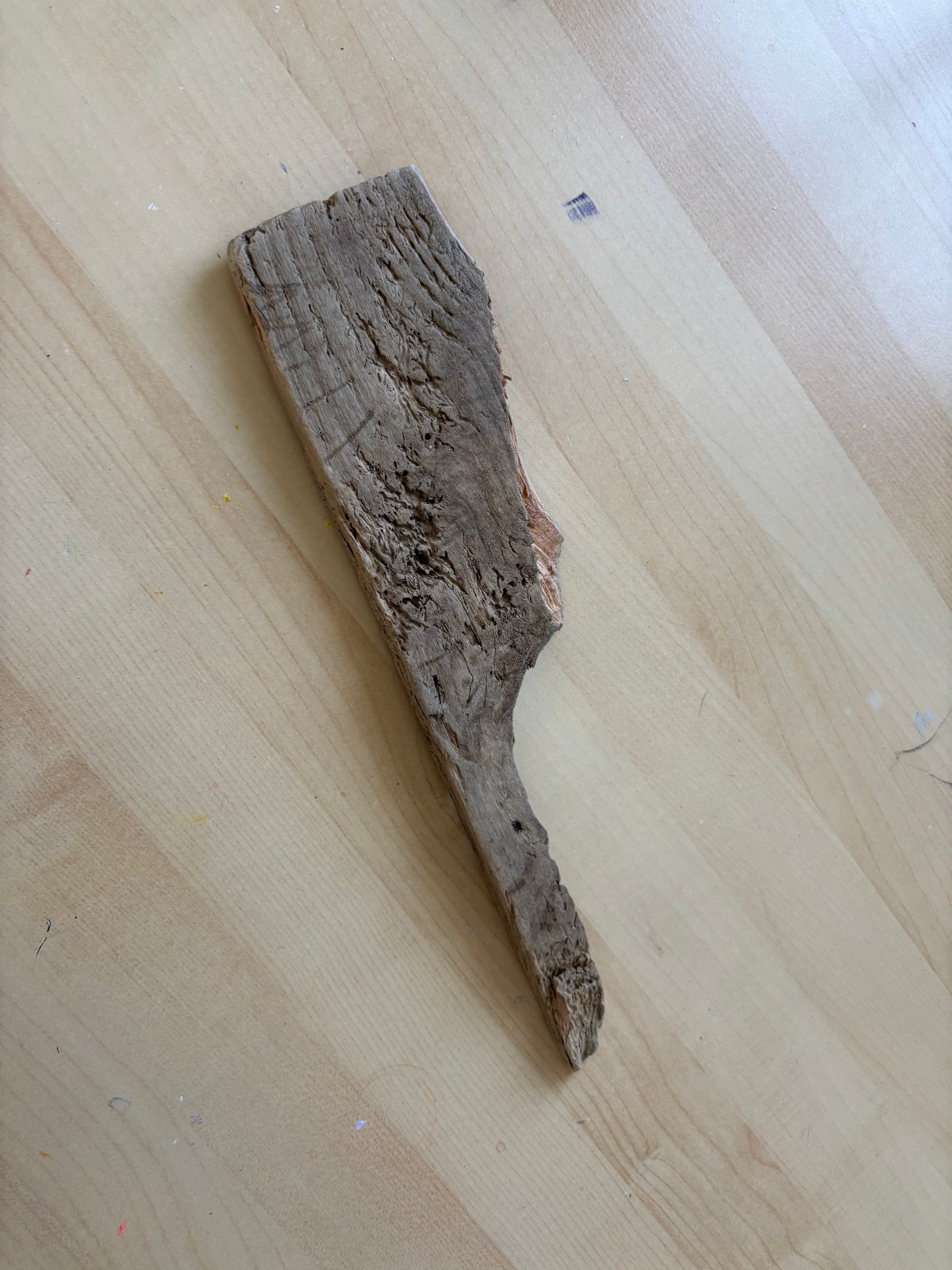
A piece of driftwood I stumbled upon this summer whispered “Don’t ignore Your Internal Compass” and why I am going to listen to it

When the World Feels PointlessIs it because we are ignoring our internal compass?

I guess I’ve been quietly grieving. It’s not a personal loss, but one of value alignment.

We are conditioned to mostly chasing—passive cultural experiences, trendy overpriced foods, variations of things we already have, collectibles, small talk that loops infinitely– filling space and time with more, more, more while neglecting to feed the soul.

We have everything we could ever need for the remainder of our lifetime and probably many lifetimes over. I have worn my mom’s polyester nylon pajamas from the 70s for years and counting. When it comes to U.S. cultural experiences, there are few accessible ones outside the fart of shopping and occasional outdoor recreation.

We receive deeper joy in effort. Things that ask something from us. We haven’t embraced a lifestyle that nurtures our internal values.

I want to go more simple. Imagining my shelter and life as human or solar powered mobility through walking or biking. I’m not thinking like a traveler, but like a tortoise. Slow life. I’m inspired by a Korean woman who biked the world. She was not a cyclist to begin with, and just took on the challenge one day, documenting the journey– the universal moments along the way. Her philosophy is “before she returns to the universe, she wants to experience the universe.”

I’m also inspired by an American medical researcher for the U.S. State Department whom I met at a Korean temple stay. As her job required her to go to remote countries for months or years, she didn’t have a permanent residence. She showed up in the coldest region of Korea with a lightweight quilted overcoat, athletic shoes, and large book backpack. She lives out of this backpack for months at a time. It is her home base.

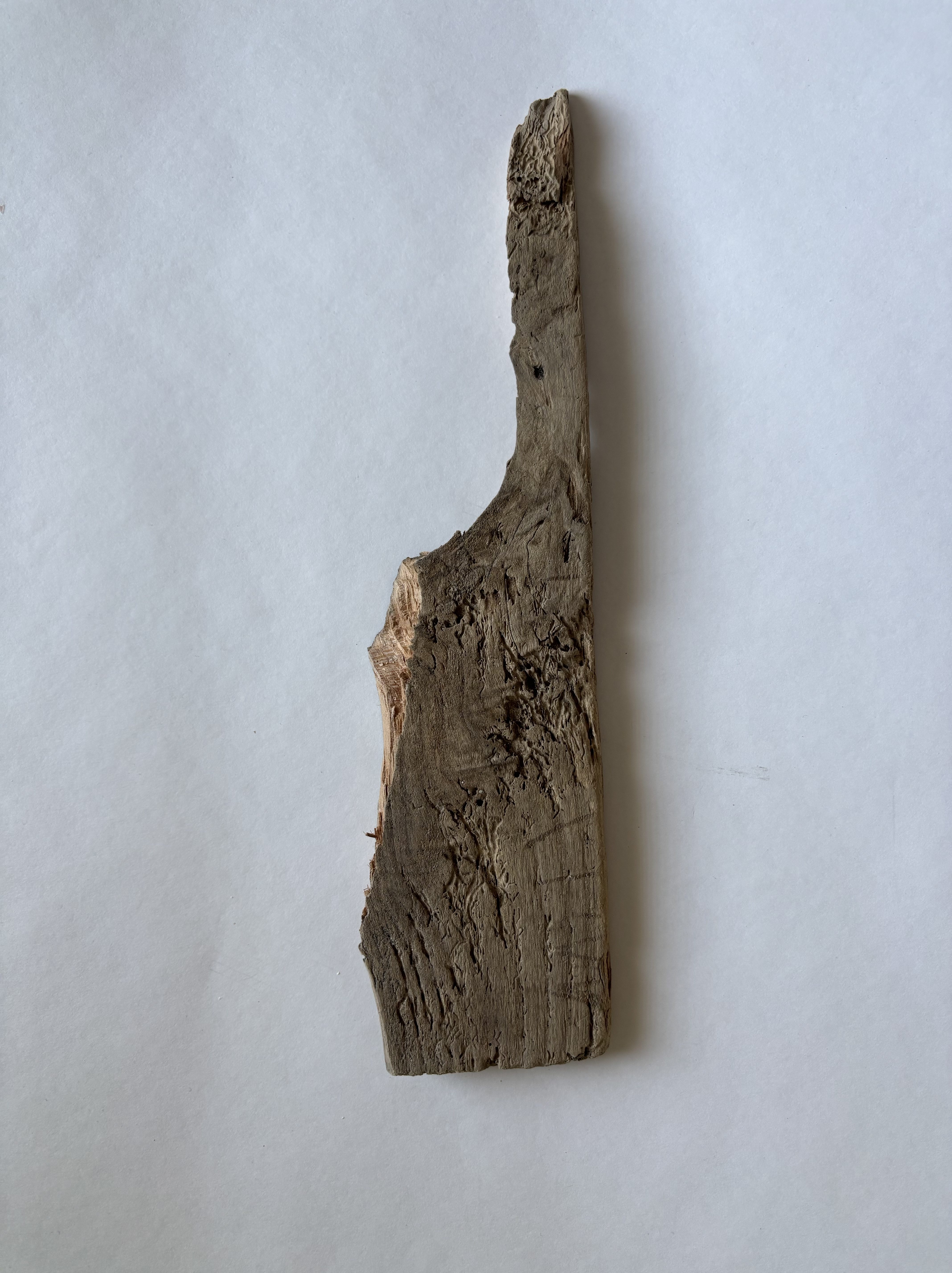
My internal compass is getting tuned. The tortoise mindset means I cut more possessions down to essential utility and dual purpose items that fit. A spork, a drybag, fast drying shorts that double as swimwear; deep pockets to store sticks. In this state, utility meats creativity. A piece of wonky driftwood I got on the beach now triples as a lightweight digging tool, poking tool, and dirt flattener. It was MVP in the build of a sand sculpture. It’s the kind of design I love: found, natural, simple. It’s the life I aspire to design: found, natural, simple.

the life I aspire to design: found, natural, simple.
Living abroad once in your life

It’s true that we conform to social norms, and it’s impossible to see our compliance until we go away.

Living in another country gave me an outsider’s perspective on my American upbringing that helped me pursue a lifestyle more true to my values and beliefs.

Upon returning to California I reentered a dry utopia. Wow, the weather really is perfect…Traffic is still terrible, but people are relaxed, as if they had no where to be. Nothing to do. Houses are big and filled with stuff, but no one needs all these things. I visited friends and nothing had changed in their lives.


In the first year living abroad, it was difficult to cut through the surface of the city’s fast pace and materialism. But the more time I spent, the more opportunities I had to frequent spaces and meet people with alternative values — musicians, fruit farmers, bike travelers, artists, tech workers, and professionals of all kinds who embrace a minimalist life. Asian apartments are small and efficient, and I found myself living comfortably with much less than what I had in the U.S. Upon revisiting my parent’s house, I had reverse cultural shock. The amount of nonessential possessions people own is interesting. I already have much less than the average, and my space is mostly studio supplies. Yet, this I consider still excessive. How many articles of clothing go unworn? At 10 pairs of shoes in my closet, I could only see the need for 3.

~

Foreigners (no matter from what country) will react two ways to my American background: envy or criticism. Some think it’s all guns and violence, while others think it’s all celebrities and riches.

National media distorts other places. It’s never clear what is happening on either side until you live in both. In fact, what we see in media is what’s the least representative of a country or culture.

The more I lived in Asia, the more I could observe my American tendencies the same way growing up in the U.S. made me conscious of my Asian tendencies. While I’m usually open, this experience made me see the contrast between my western “unprompted directness” versus eastern “deliberate engagement.”

Furthermore as a nature person, I never pictured myself enjoying the city bustle. Yet the plethora of hills, mountains, parks, streams, river, all within a dense concrete stack, plus accessible buses/trains to other parts of the country, make urban life breathable. The initially overwhelming connectivity and speed became a useful aspect as my body and the city soon shared a pulse.

The mobility means I can go cross country, camping or staying in cheap accommodations. Even for road trips, because there are regular rest stops with bathrooms and food, I feel safe to sleep in the car, something I wouldn’t do in the states.

Living abroad helped me see that a different life was viable. In fact, it was more than viable. It was vital in my self development. Removing myself from my default settings gave me a chance to do comparative analysis of two different worlds within myself, helping me lead a more meaningful life.