TIP #1: FRUIT OF THE SUMMER

Crunchy and refreshing with a mild sweetness. Juicy but not sticky.
Bell peppers are fruits that can be eaten like an apple, whole or slices, and contain vitamin C and other good stuff. It always surprises me how easy they are to eat. They’re an excellent lifestyle fruit for their user friendliness.
It’s suspicious how easy they are to eat. Throw them in a backpack and they’ll be okay. Even if they are crushed, there’s only water residue- no sticky juices like those other fruits.
Maybe you prefer a dip in keeping with the settler’s summer tradition. It would be uncouth to consume a dip alone, unless it’s a light Tzatziki/ cacık dip with crushed coriander. Composed of yogurt, cucumber, lemon juice, garlic, and any herbs- parsley, mint, dill– it’s wow. Munching on my bell peppers and tzaitziki dips, I have been thinking.
Despite my invisible achievements well into my third decade, I’ve navigated uncharted waters and strange crossroads. I suppose if you survive a catastrophe, that could be considered an accomplishment. Survival is not easy, yet little do we celebrate it.
Survival is not easy, yet little do we celebrate it.
TIP 2: Celebrate decisions >accomplishments > achievements
Achievements get trophies 🏆; accomplishments get checkmarks ✅; decisions get silence 🤫. Powerful decisions disappear into daily life like vegetables in vegetable chowder. You forget about them, but they’re doing all the work keeping you alive.
Decisions are harder to celebrate because they’re internal, sometimes messy and painful, and even transformative (quitting a job, leaving a relationship, starting something new).
The word “decision” comes from the latin “caedere” meaning “cutting the links.” It’s a cutting of ourselves from a “wholeness.” In the case of life, its a cutting into the wholeness of our identity and stability. Whether that’s getting out of a comfortable stagnation or an awful place, we have to slice, dice, and dip out of there ASAP. A life altering decision can suck because of the risk factor. But while there might not be reward, we need these decisions for prevention and immunity.
These “good” decisions that cut the deepest should be actively remembered in order to keep up the positive spirits; they are the silent architects of resilience, sometimes outweighing the glitter of achievements.
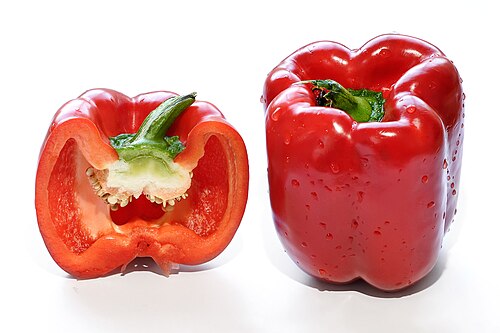
NUTRITIONAL BENEFITS OF DECISIONS
- Vitamin C: One medium-sized red bell pepper provides 169% of the Reference Daily Intake (RDI) for vitamin C, making it one of the richest dietary sources of this essential nutrient.
- Vitamin B6: Pyridoxine is the most common type of vitamin B6, a family of nutrients important for forming red blood cells.
- Vitamin K1: A form of vitamin K, also known as phylloquinone, K1 is important for blood clotting and bone health.
- Potassium: This essential mineral may improveTrusted Source heart health.
- Folate, also known as vitamin B9, has a variety of functions in the body. Adequate folate intake is very importantTrusted Source during pregnancy.
- Vitamin E: A powerful antioxidant, vitamin E is essential for healthy nerves and muscles. The best dietary sources of this fat-soluble vitamin include oils, nuts, seeds, and vegetables.
- Vitamin A: Red bell peppers are high inTrusted Source pro-vitamin A (beta carotene), which your body converts into vitamin A.
 Noon Mul