
COME LETS MAKE A ROAST ON THE FIRE
The theme in my life goes something like this: The ocean is rich. The forest is wealthy. Boredom is bliss.
Not long ago in my short life here on earth, I adopted a day called “no electronic days,” coined NED for short. I did this in order to re-experience time before modern technology. NED is simple, you just turn off all electronic devices for 24 hours. I also removed clocks. Of course, the streetlights stayed on, and that illuminated my evenings. If you’ve spent time outside in the desert or forest at different phases of the moon, you’ll find that the eyes are amazing at absorbing what little light there is. Your senses sharpen, and you experience your body as a highly tuned equipment.
It’s pure coincidence that N.E.D. is also the name of Ned Ludd, the legend who led the Luddites of the 19th century against technofacism.
“The Luddites challenged the emerging capitalist system—which centered on efficiency, maximal productivity, and ultimately human redundancy—and instead championed other human values of finely-honed craft skill, community, worker solidarity, and a living wage.” https://origins.osu.edu/article/fourth-industrial-revolution-and-ghosts-ned-ludd
My version of NED was motivated by dissatisfaction with growing dependency and adherence to “smart” systems. I was saddened by deteriorating human connections in real spaces. Dinner with relatives glued to their phones, friends busy sending work emails and texts the one night a month we hang out.
Not surprisingly, I thought about the trajectory of today’s world. There is never just one cause or beginning, and an interesting material study led me to the late middle ages.
In my project “AutoSalvation,” I looked at how space was rendered in the late middle ages. It was the turning point for art, when Medieval scholasticism flourished, and with it dialectic knowledge production.
Our study of religious paintings like Duccio is subject and narrative focused. However, I found the negative spaces, with their visual impenetrability, metaphorically interesting. When I digitally isolated these voids, the computer registered their contours as solid form. Caught inside the reading were hands, or the impossible physics of limb cutting space.

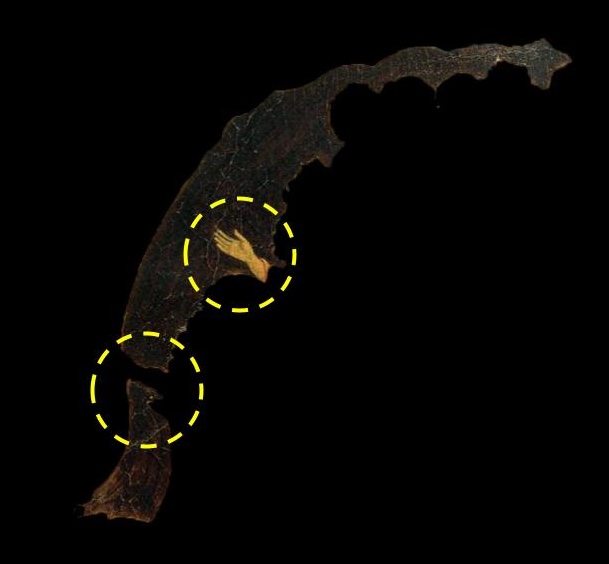
I applied this strategy, inverting the “subject” to “empty space,” to other medieval paintings, resulting in disembodied arms and hands.
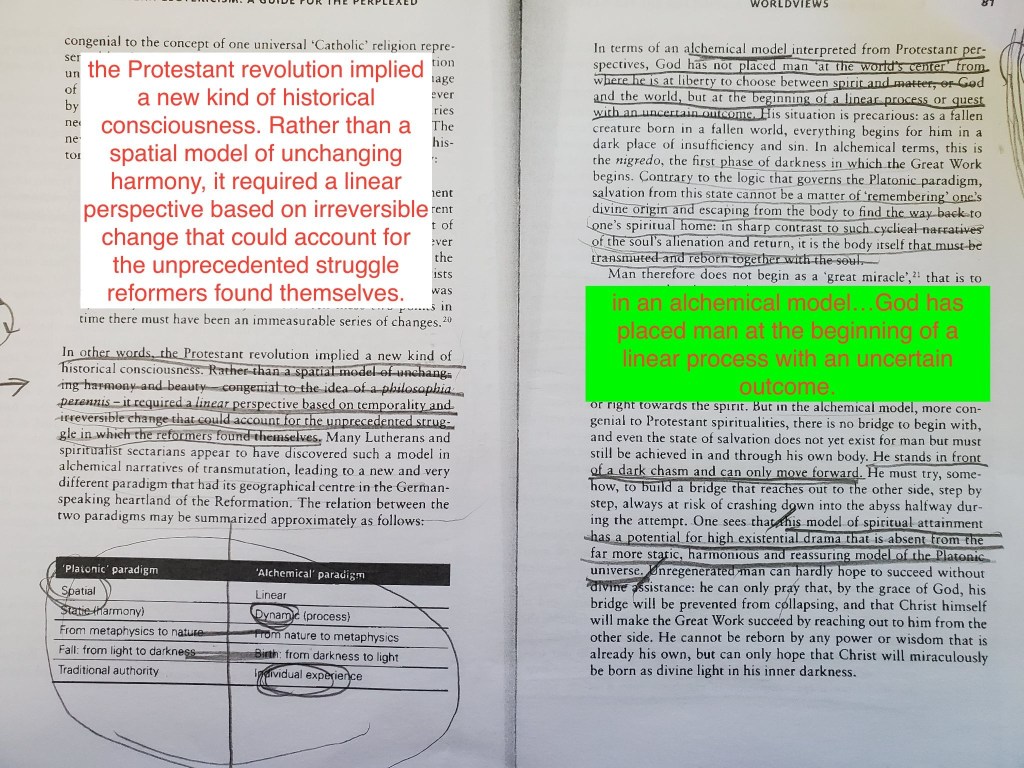
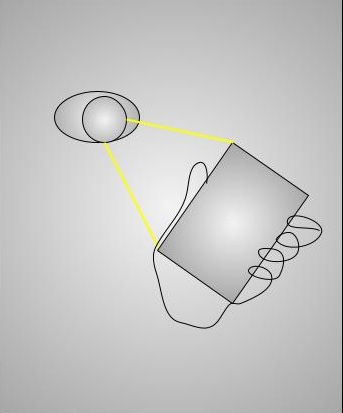
Today we seek neo-salvation with a prophetic god in our hand.
More about neo-luddites :
https://nickfthilton.medium.com/do-we-have-the-wrong-luddites-fb412b3f02e4
(https://www.smithsonianmag.com/history/what-the-luddites-really-fought-against-264412/)
 Noon Mul
Leave a comment