So the thrill of rating bottled waters according to taste, alkalinity, electrolytes, distillation is gone.
💧It’s time to decide on the one true water vessel tasked to keep you alive.
This is a negligible task, but skin is not going to elasticize itself.
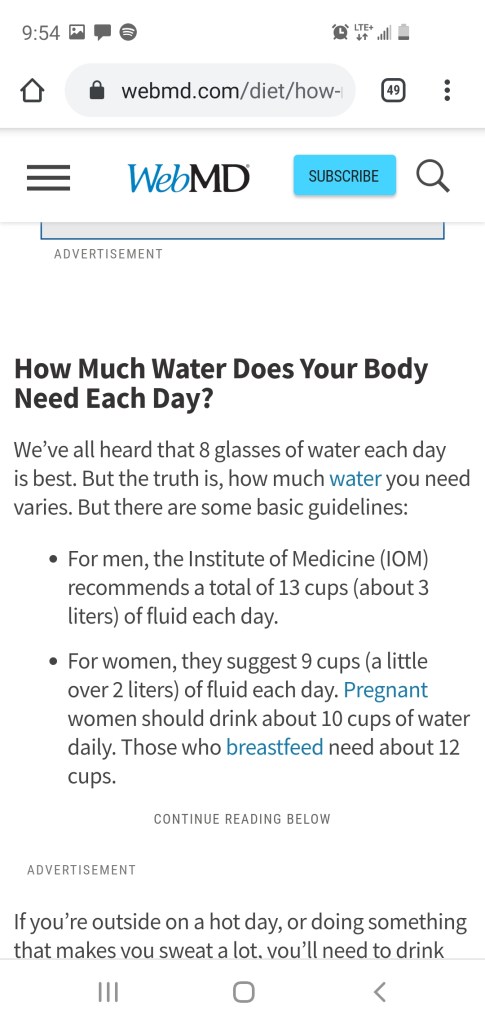
Excellent Hydration at the vessel is a holy grail. Whether the water is tap or filtered is personal preference, but if you choose distilled, you still have to find an alternate source for electrolytes and minerals.
💧Drinking water that tastes good means drinking more of it.
💧Choosing your container:
There are too many reusable water bottles with impractical designs and laughable capacity. Hydration isn’t 12 ounces while you’re out for the entire day. And the bottles with narrow mouths are hard to refill >:/ $*#$&$&*#.
While stuck at home, I found myself drinking less water once I switched to the Brita water pitcher. Before that, I was doing fridge filter —> Hydro flask. I wondered why. Turns out, that extra step between pitcher and my cup each time was just annoying enough.
Fridge –> Hydro flask (container)–> hydrater [2 steps]
Tap–> Brita pitcher–> cup (container) –> hydrater [3 steps]
Solution 1. Change container to one with larger capacity
Life lesson: minute steps in everyday activities adds up.
💧Efficiency in one step
A look at the exhausted choices of containers to use when you’re on the move:
Bladder backpack – camelbak- true to the name, you carry a bag of water and a straw gives you easy access to hydration.
Original Nalgene / Nalgene inspired bottle: this one is practical and ideal for a number of reasons. It has a wide mouth easy for refilling, and it holds 1 liter (33.8 ounces) which means less frequent refills. I used my Nalgene while working for the forest service and for all my backpacking/hiking trips until I either lost it or it cracked.
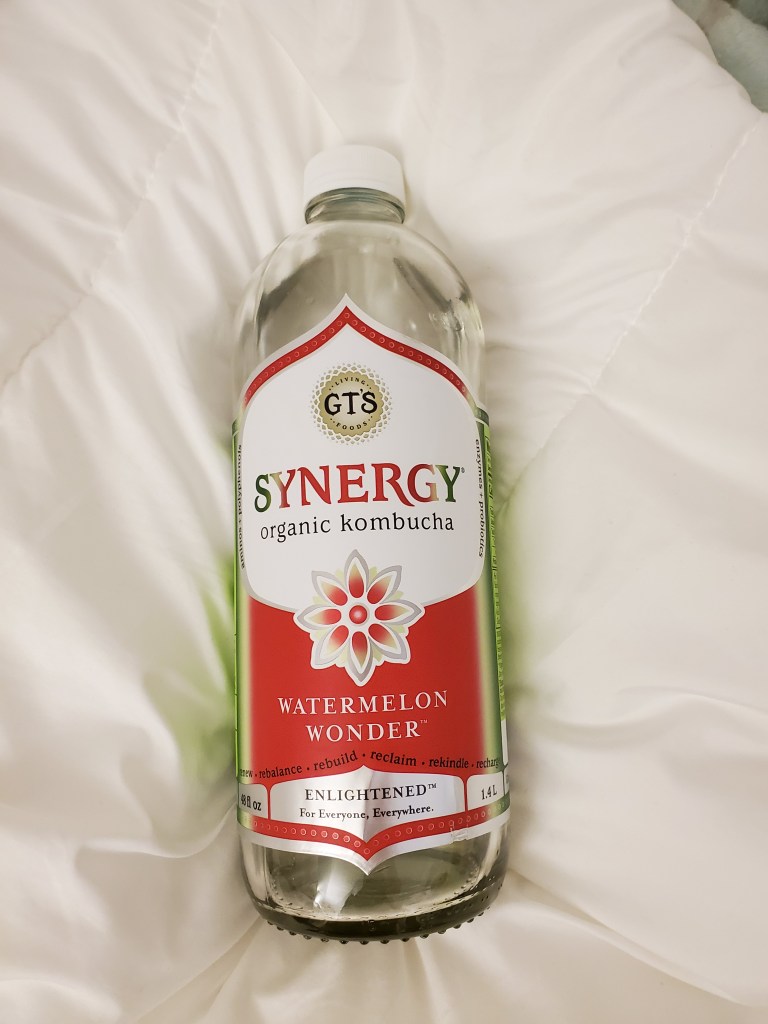
But maybe you hate plastic. While this glass bottle has a narrow mouth, for 1.4 liters it has good capacity. Whatever vessel you choose…
💧💧💧HAPPY HYDRATING 💧💧💧💧💧

 Noon Mul
Leave a comment