If you’re like me, you like your liquids. They’re hot, iced, and everything between. Savory or sweet. Caffeine, cocoa, cinnamon, cider, mulled, cream, alcoholic, grassy, fruity, tropical. And then there’s tea. Tea is water boiled in the good essences of organic matter like leaves, bark, roots, fruits, you name it. The beauty of tea is that there is no end to the possibilities. Even before the world closed, finding good affordable tea wasn’t easy. Artisanal was expensive, and many were sugary or bland. I lost interest when hype flooded the drink market.
Who knew literally boiling water and adding some stuff you have around the house would yield satisfying results ? Here is one I really came to love: Iced hibiscus date tea.
boil for 15 minutes:
hibiscus (1-2 tea bag)
ginger (1/3 cup matchsticks)
2 lemons
2 banana peels (cleaned with baking soda, organic)
1 banana flesh
dried asian dates (5-8)
agave syrup (to taste)
use a frozen drink to cool down the hot liquid without diluting it
add ice
Sip and
Enjoy
Under
The
Balmy
Festival
Solstice
Light
tip: freeze unused bananas, extra lemons, and ginger for easy tea making
laughter comes from a place deeply human, so they say.
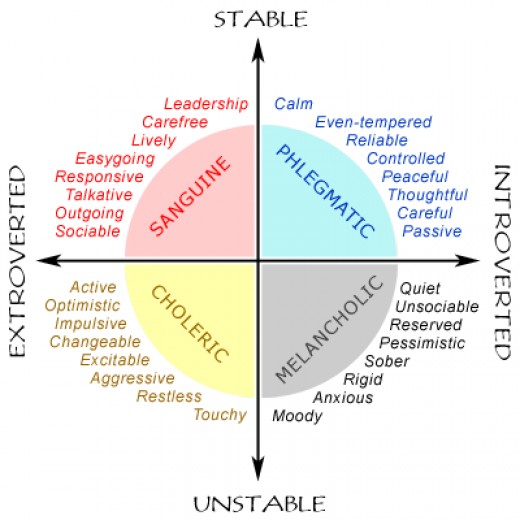
for example, the Ancient Greek and Roman physicians believed the 4 humors- bodily fluid type yuckies- affected human health and disposition. there were only 4 of them: choleric, melancholic, sanguine, phlegmatic–and they were tied to seasons or elements, similar to Indian Ayurveda medicine doṣas, (pañca-bhūta): earth, water, fire, air, (and space).
They typology is as follows:
Blood (sanguis) → associated with air, spring, and a cheerful temperament (sanguine).
Phlegm (phlegma) → linked to water, winter, and a calm, sluggish temperament (phlegmatic).
Yellow bile (choler) → tied to fire, summer, and an irritable, aggressive temperament (choleric).
Black bile (melaina chole) → connected with earth, autumn, and a melancholic, depressive temperament (melancholic).
But what do the humors have to do with ha-ha humor?
I first became interested in the forms of humor like sarcasm and parody in 90s TV shows and literature, wondering how we humans developed a sense of humor. it’s a very subjective and human / biological activity– like crying or compassion, but I find it more elusive than other emotions. just as diverse as our personalities, what we find funny differs- from farts, Ren and Stimpy, to Mr. Bean and cats.
but do we only laugh because something is ha ha funny? no.
because after some click-clacking, i found sardonic as a form of humor that comes from the Greek “sardónios, refering to someone curling their lips at danger, laughing in its face.
from wikipedia: “a sardonic action is one that is ‘disdainfully or skeptically humorous’. a form of wit or humour, being sardonic often involves expressing an uncomfortable truth in a clever and not necessarily malicious way, commonly with a degree of cynicism.[3]”
an uncomfortable truth you say? So one has to be devoid of humor to face a truth but at the same time hold an incredulous expression to convey the inhumanity of it all?
furthermore look at this grim and dark origin of sardonic: “among the very ancient people of sardinia… it was customary to kill old people. while killing their old people, the sardi laughed loudly. this is the origin of notorious sardonic laughter (eugen fehrle, 1930).”
violence is a natural response to structural oppression of many forms. language, cultural, social, political, institutional, but killing our elderly? what could be the reason for this? is it an act of mercy knowing that the end of one’s material existence should be relieved of suffering and indignity? one could not mercy kill without having an incongruent reaction to it, like laughing. this idea is supported by the following:
“laughter accompanies the passage from death to life; it creates life and accompanies birth. consequently, laughter… nullifies murder as such, and is an act of piety that transforms death into a new life.”
from the author of dune: “the person who experiences greatness must have a feeling for the myth she is in. And she must have a strong sense of the sardonic. This is what uncouples her from belief in her own pretensions. The sardonic is all that permits her to move within herself. Without this quality, even occasional greatness will destroy a human.”
So the sardonic helps ground people and prevents them from abstraction and inhumanity. laughter is guttural: irrational, physiological, and VERY HUMAN.
Laughter is also social. According to the following source, we might laugh when there is “shared relief at the passing of danger. And since the relaxation that results from a bout of laughter inhibits the biological fight-or-flight response, laughter may indicate trust in one’s companions.” (https://science.howstuffworks.com/life/inside-the-mind/emotions/laughter.htm)
“Provine has also noted that laughter is highly behaviorally contagious…like yawning, contagious laughter is modified by social factors.”
Laughter as catharsis:
There is a link between laughter with better pain tolerance. In an experiment those who induced / forced laughter had a drop in blood pressure and cortisol levels in comparison to those who did not simulate laughter.
All of this supports the argument that laughter and humor are complicated emotions that can relieve as much as it can reveal what lurks in the dark (in order to relinquish it).
So ask yourself, if the average adult laughs 17 times a day, are you getting your daily dose of laughter?
z. Find more opportunities for laughter
surround yourself with funny people or places (see t. grandmas below)
y. Induce or simulate laughter even if nothing is externally funny
trick your brain
x. diversify your humor
weird/absurd humor > 20% random or joyful laughter > 50% sarcastic/self sabotaging < 10% animals = 100%





 Noon Mul