
1: It was always you
Family, friends, community — they’ve been there at times, and completely absent at others. Your mom nursing your flu, your dad explaining the same math problem for the fifth time, your brother laughing after you fell from the tree, fracturing a foot. There were the friends with made awkward growing pains easier– who you could laugh with years later.
School was supposed to help us transition into work, adult life, and some sense of satisfaction. When that didn’t happen, and the inherited world poisoned our lived reality, who carried you through the confusion?
You.
It was always you. The “support network” was training wheels, sometimes swapped for another set on a fancier vehicle.
Relationships matter — they keep us from becoming an echo chamber. But there’s a point of diminishing returns when social exchanges become wholly transactional or obligatory… it’s time to move on or take a break. We require self-preservation, especially if grew up as a family member who soberly picked up broken pieces.
Unfortunately, the most in need of self-awareness are ones pushing agendas. So if it’s always been you, then what’s your obligation? To carry yourself sometimes means retreating.
A: Permission to retreat; throw a tantrum
The polemics and polarization today make the sentiment of a tantrum unsavory. The “tantrum” here is inward, not outward. If you had to keep your composure while people around you do un-people things, you deserve space and time for letting go.
Retreat and when you hit zero, see what’s left: tired, sore, sad, pissed? Do what you need to recoup — even if it means throwing a tantrum with admission for one. Think about it like a complete acceptance of all the debase emotions we are told to keep under a rock.
Contemporary society writes an adult character as stoic, discouraging engagement with so-called “inferior” emotions. These inferior emotions like bitterness, anger, resentment, melancholy, envy, fear, shame, self-pity, loneliness, despair, frustration, etc. are socially coded as unproductive, unattractive, and immature. Even though these feelings are just as natural and meaningful as joy, love, or excitement, they are not healthy to have.
Suppressing these natural responses as petulant or deflective will turn us into emotionally incomplete or calcified souls.
Plus, how many people do you know, who never nurture their inner child, live it shamelessly in public?
B. Methods of tantrum/self-indulgence
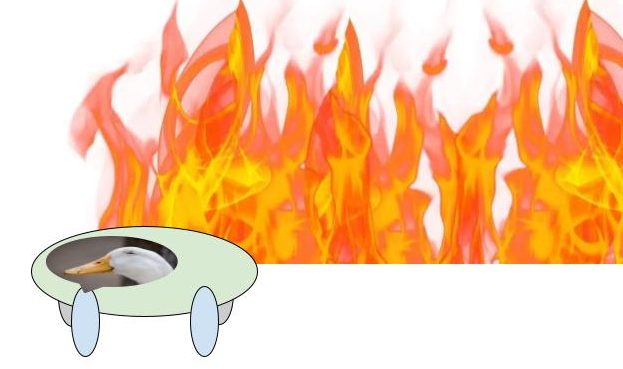
Toddlers are well documented for their sophisticated tantrums, directed outward for attention. Adults, however, rarely deploy such techniques for personal welfare. Bask in glorified self indulgence. Who will do it for you if not yourself?
Personally, I conduct a full-day incommunicado: digital blackout, emptying of emotional receptacles while doing mat work or kinesthetic movements such as rug angels. Whatever your method, make it 100%. Pay attention to debase feelings as much as positive feelings, and tantrum freely. Anger or bitterness points to boundaries crossed or injustices. Envy reveals what we secretly desire and why. Shame shows us we need to forgive ourselves. Melancholy and grief remind us of what we used to love.
Let whatever you feel be expressed without judgement. They make you human.

 Noon Mul
Leave a comment